Bourdelle Museum — What to See, Hours, Tickets
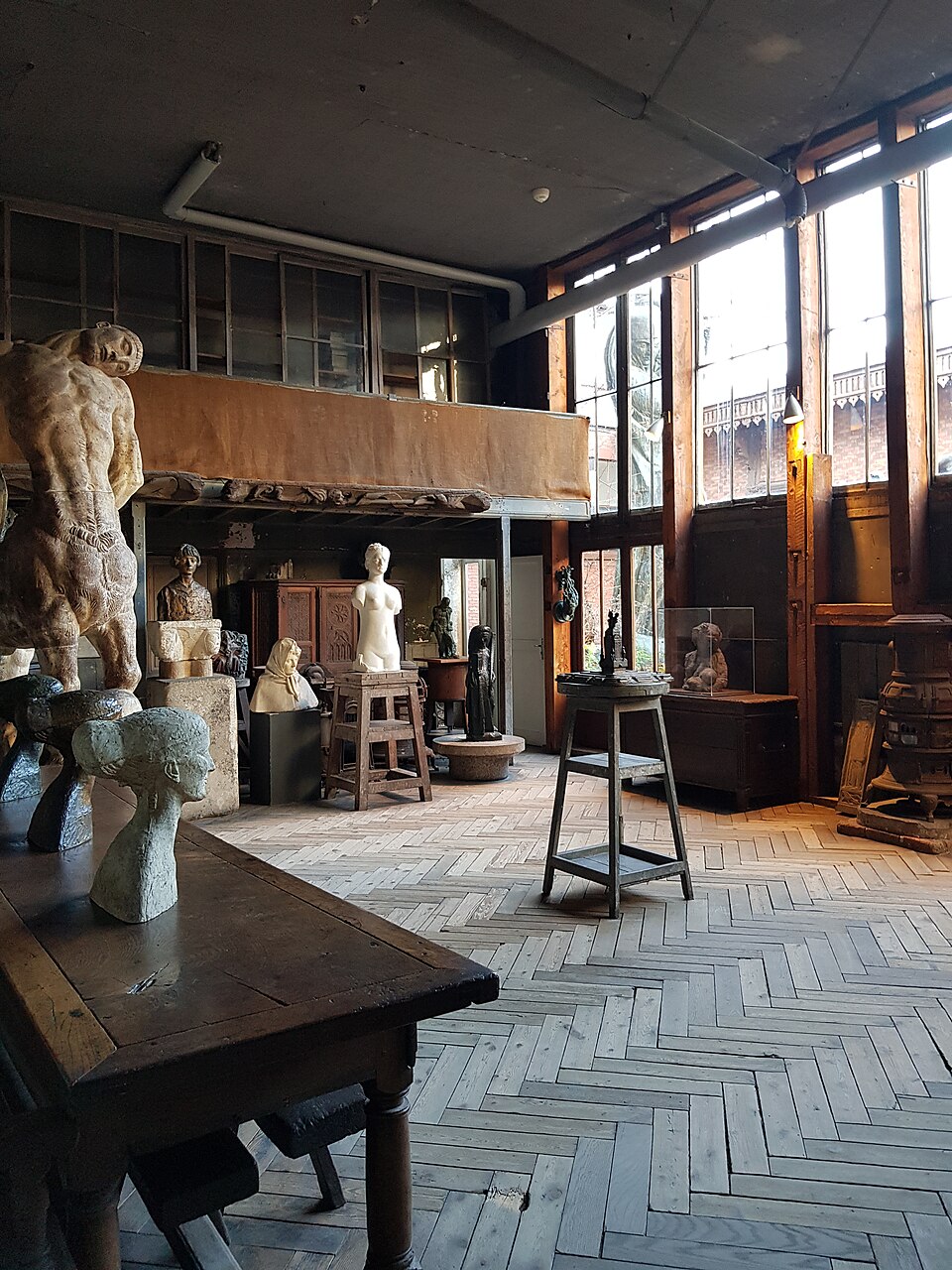
Tucked away in the heart of Montparnasse, on a quiet cul-de-sac just a stone’s throw from the train station, the Bourdelle Museum is one of Paris’s best-kept secrets. Housed in the very studio where the sculptor Antoine Bourdelle (1861–1929) worked for forty-five years, the museum features nearly 500 sculptures, several hundred drawings, paintings, photographs, and objects by the great master of early 20th-century French sculpture.
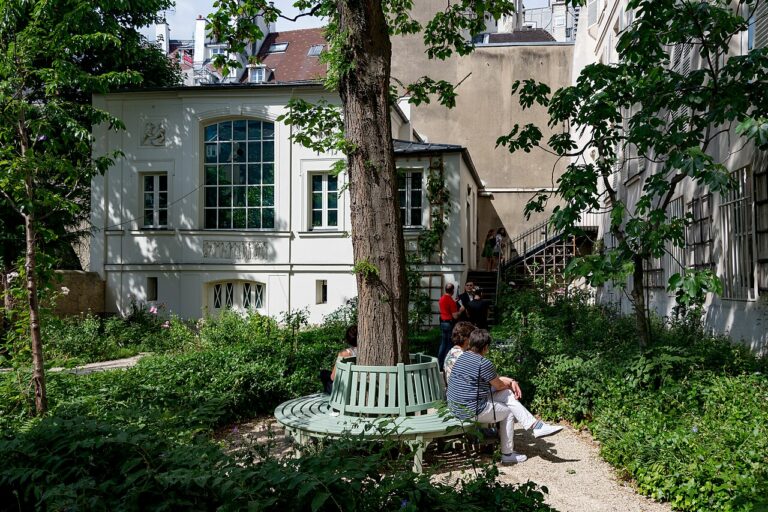
A student of Rodin for fifteen years, a teacher of Giacometti, and a friend of Maillol, Bourdelle transformed his studio on Impasse du Maine—renamed Rue Antoine Bourdelle after his death—into one of Paris’s premier artistic hubs. The museum, opened to the public in 1949 thanks to a bequest from his widow Cléopâtre and his daughter Rhodia, preserves the intact atmosphere of this creative space: the sculpture studio, the gardens adorned with monumental bronzes, and the sculptor’s apartment—everything has remained exactly as it was when the master died in 1929.
And best of all: admission to the permanent collections is free. This is a rarity in Paris, making this museum one of the most accessible cultural attractions in the capital.
The Bourdelle Museum at a Glance
| Address | 16–18 Rue Antoine Bourdelle, 75015 Paris |
| Subway | Montparnasse-Bienvenüe (4, 6, 12, 13) |
| Hours | Tuesday through Sunday, 10 a.m. – 6 p.m. |
| Rates | Free (permanent collections) |
| Official Website | bourdelle.paris.fr |
Must-See Works
The museum is organized around four main areas: the sculpture studio, the grand hall, the gardens, and the sculptor’s apartment. Here are the key works and locations.
1. Heracles the Archer (1909)
Bourdelle’s most famous work, on display in the grand hall. A 2.48-meter-tall bronze sculpture depicting the Greek hero drawing his bow to slay the Stymphalian Birds. This is the work that brought Bourdelle acclaim at the 1910 Salon and marked his definitive break with Rodin’s influence. Extreme bodily tension, almost architectural geometry, and a conscious return to archaic Greek statuary.
2. *La Pénélope* (1907–1912)
Located in the studio. Stone sculpture, 2.75 meters tall. Bourdelle worked on it for five years. Inspired by both his wife, Cléopâtre Sevastos (a Greek sculptor whom he married in 1910), and their daughter Rhodia, it depicts Penelope awaiting the return of Odysseus. A seminal work for understandingmodern Hellenism, which Bourdelle made his own.
3. The Bas-Reliefs of the Théâtre des Champs-Élysées (1910–1912)
Preparatory plaster casts of the marble bas-reliefs that still adorn the façade of the Théâtre des Champs-Élysées (Avenue Montaigne, 8th arrondissement). In these works, Bourdelle depicts Dance, Music, Tragedy, and Comedy in a neo-archaic style inspired by Greek pediments.
4. The Sculpture Workshop
More than a work of art, it is a place. The studio where Bourdelle worked from 1885 until his death in 1929 has been preserved intact. A stool, workbenches, tools, plaster casts in progress, sketches on the wall: visitors step into the working world of a great sculptor, amid the virtual marble dust that still seems to hang in the air. It is the museum’s most moving experience.
5. The bust of Beethoven
Bourdelle created more than eighty busts of Beethoven during his lifetime. He spoke of them as a personal obsession, seeing the composer as the embodiment of creative genius struggling against the world. Several versions are on display in the museum.
6. The Monument to General Alvear
A monumental plaster cast on display in the grand hall. A study for the equestrian monument, the final bronze version of which is located in Buenos Aires (unveiled in 1925). One of the major equestrian works of the 20th century.
7. The Gardens and Their Monumental Bronze Sculptures
Two gardens extend the interior spaces. They feature, among other things, La France (a monumental bronze sculpture from 1923, a copy of the monument erected in Briançon), *Energy* (1903), and several studies for the Mickiewicz monument on Quai Henri-IV. These are places to take a breath in the heart of Montparnasse.
How to Visit the Museum
Recommended duration: Allow 1.5 to 2 hours for a complete tour of the permanent collections and gardens. If a temporary exhibition is on, add 45 minutes to 1 hour.
Best time to visit: The Bourdelle Museum is rarely crowded, which is one of its greatest strengths. Weekday mornings offer complete tranquility. Sunday afternoons are busier but still very manageable compared to the major Parisian museums.
Audio Guides and Apps: The museum does not provide audio guides as a standard service, but the Paris Musées mobile app offers a free guided tour. It can be downloaded on iOS and Android before your visit.
Guided Tours: The museum regularly offers themed guided tours (1 hour and 30 minutes, approximately €12). See the official website for the schedule.
Accessibility for People with Disabilities: The museum is partially accessible. The gardens and the main hall are at ground level. The workshop requires climbing a few steps.
Dining: There is no café inside the museum. However, the Montparnasse neighborhood offers plenty of places to eat within a 5-minute walk.
Around the Museum
The Bourdelle Museum is located in a neighborhood rich in culture and art history. Don’t miss these attractions within a 10-minute walk:
- Montparnasse Tower (5 min) — 360° panoramic view of Paris
- Montparnasse Cemetery (7 min) — graves of Baudelaire, Sartre, Beauvoir, Maupassant, and Brancusi
- Zadkine Museum (8 min) — another sculptor’s home and studio, open to the public; admission is also free
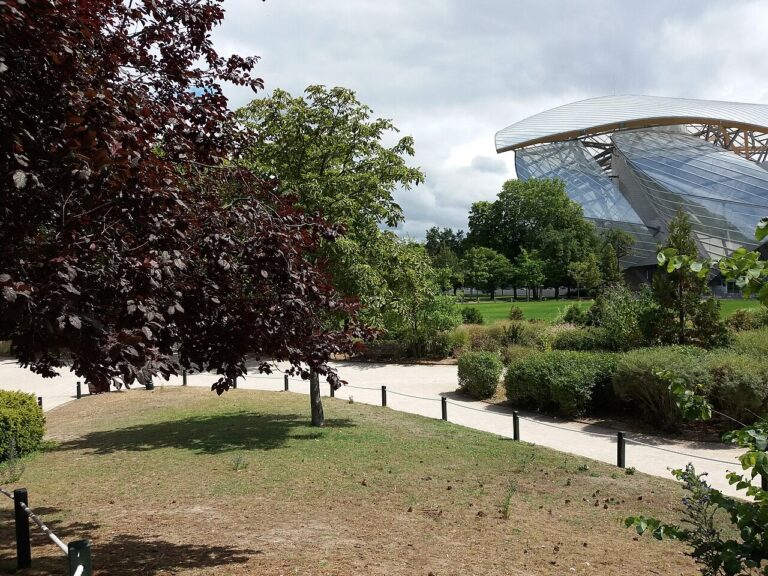
- Cartier Foundation for Contemporary Art (12 min, Boulevard Raspail) — contemporary art exhibitions in a building designed by Jean Nouvel
- Théâtre des Champs-Élysées (direct subway ride, 15 min) — to see Bourdelle’s marble bas-reliefs on the façade in person
You can spend an entire day exploring the theme of “modern sculpture”: Bourdelle in the morning, Zadkine in the early afternoon, and then the Théâtre des Champs-Élysées at the end of the day to see the original bas-reliefs.
— M