Quai Branly – Jacques Chirac Museum — A World Tour of Primitive Arts
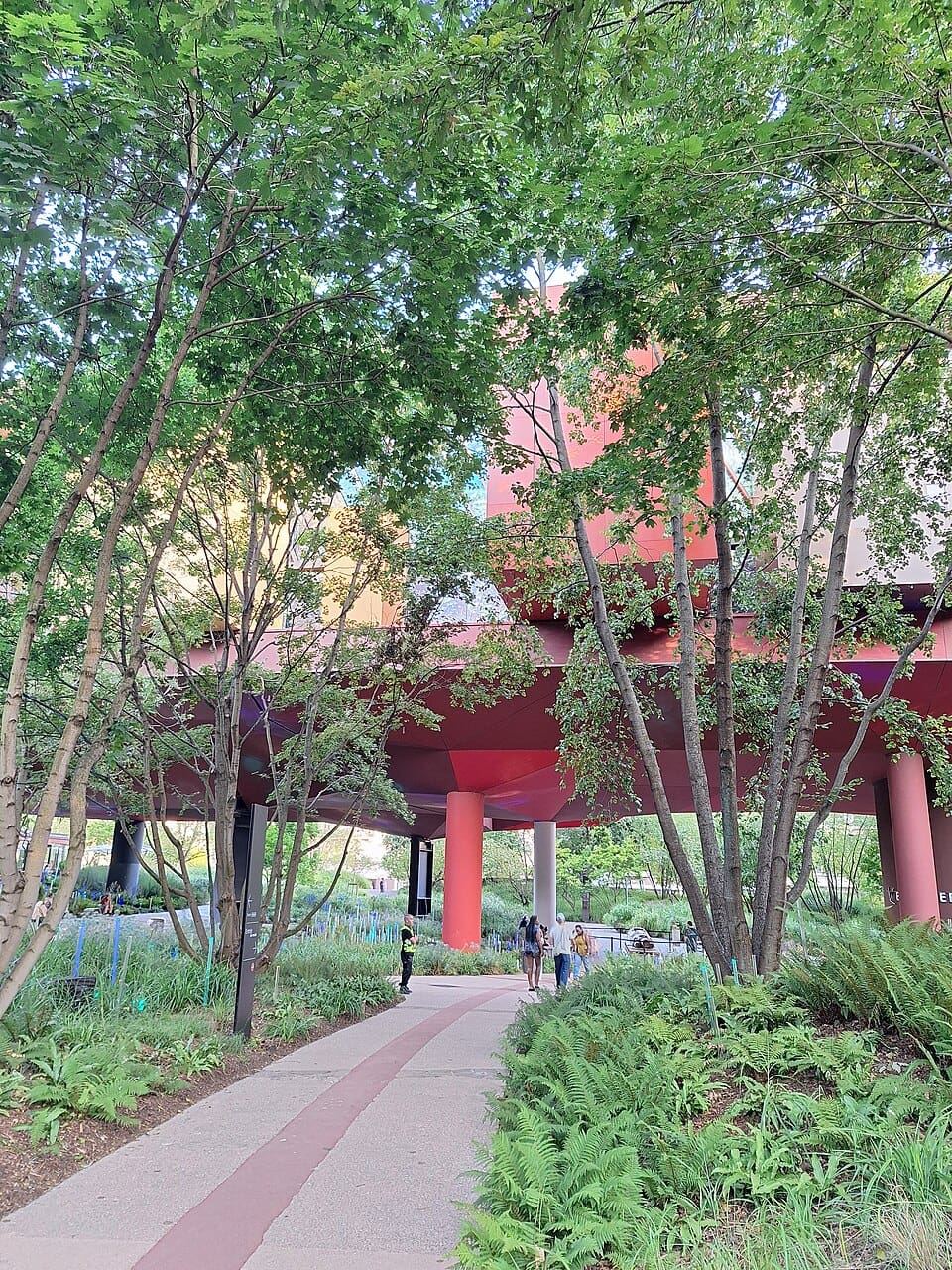
On the banks of the Seine, in the shadow of the Eiffel Tower, a striking building enveloped in greenery houses one of the most fascinating museums in Paris: the Musée du Quai Branly–Jacques Chirac. Dedicated to the arts and civilizations of Africa, Asia, Oceania, and the Americas, it offers a true journey around the world through thousands of works from every corner of the globe.
African masks, Oceanic statues, pre-Columbian gold, Andean textiles, ritual objects, jewelry, and sculptures: the collection showcases the richness and diversity of non-Western cultures—long overlooked or marginalized—which are celebrated here as artistic creations in their own right. The museum offers an immersion into aesthetic and spiritual worlds of striking depth, inviting visitors to experience a complete change of scenery and to reflect on the diversity of human cultures.
An architectural masterpiece in its own right, designed by Jean Nouvel and opened in 2006, the museum will celebrate its 20th anniversary in 2026. Its distinctive building, its natural garden, and its spectacular living wall make it a unique landmark in the Parisian landscape. This article guides you through its collections, history, treasures, and everything you need to know to plan your visit.
The Quai Branly – Jacques Chirac Museum at a Glance
| Address | 37 Quai Branly, 75007 Paris |
| Subway | Alma – Marceau (9), Bir-Hakeim (6), or RER C Pont de l’Alma |
| Hours | Tue–Sun 10:30 a.m.–7:00 p.m., late night hours on Thursdays until 10:00 p.m., closed Mondays |
| Rates | ~€14 full price / ~€11 reduced price — free for those under 18, EU residents under 26, and on the first Sunday of the month |
| Official Website | quaibranly.fr |
Must-See Works
The exhibition is organized by major geographic regions, in a theatrical dim light that showcases the works. The antique objects are in the public domain; the architecture and recent creations remain subject to copyright.
1. African Arts
an exceptional collection of masks, statues, and ritual objects, whose formal power inspired the revolutions in modern art and the artistic vision of Pablo Picasso in the early 20th century.
2. The Arts of Oceania
ancestral sculptures, masks, and canoes from Melanesia and Polynesia, as well as Aboriginal art from Australia, which is among the oldest living artistic traditions.
3. Pre-Columbian Gold
the treasures of Peru, Mexico, and Colombia, whose sophistication challenges conventional wisdom about ancient American civilizations.
4. Andean Textiles
textiles of extraordinary fineness, reflecting the sophistication of Andean cultures.
5. Patrick Blanc’s living wall
More than just a work of art, it is a place: the facade, covered with a profusion of living plants—a constantly evolving living tableau—has become an emblem of the museum.
The Quai Branly Museum’s collection brings together thousands of works from four continents, in a vast array of forms, materials, and functions. The exhibition, organized by major geographic regions, takes visitors on a journey through the world’s cultures. Here are the must-see highlights.
African art forms one of the core elements of the collection, featuring an exceptional array of masks, statues, ritual objects, and adornments. These works, drawn from the continent’s diverse cultures, are striking for their formal power, expressive force, and symbolic richness. It was these African arts that, in the early 20th century, transformed the perspectives of Western artists and fueled the revolutions in modern art.
The arts of Oceania offer a complete change of scenery, with works from Melanesia, Polynesia, Australia, and the Pacific Islands. Visitors can discover ancestral sculptures, masks, canoes, as well as works by Aboriginal Australian artists, whose depictions of the world and founding myths—such as the Rainbow Serpent—bear witness to one of humanity’s oldest living artistic traditions.
The arts of the Americas often hold the most wonderful surprises. The collection features pre-Columbian treasures—gold and ceramics from Peru, Mexico, and Colombia— Andean textiles of extraordinary finesse, Amazonian featherwork, jewelry and artifacts from the Indigenous peoples of North America, as well as sculptures and ivory carvings from the Inuit world. The sophistication of these artworks challenges preconceived notions and reveals the richness of ancient American civilizations.
Asian art rounds out this overview, featuring works from the continent’s many cultures—ritual objects, textiles, sculptures, and jewelry—that reflect the diversity of Asian traditions, which are often linked to spiritual practices and daily life.
Beyond the objects themselves, it is the museum’s exhibition design that is its true strength: the works, displayed in carefully controlled dim light and highlighted by theatrical lighting, take on a striking presence. Each piece, stripped of its original function, is presented as a work of art, inviting contemplation and respect for the cultures that created them.
History of the Building
The Musée du Quai Branly was born out of a bold ambition: to finally give the arts of non-Western civilizations a prominent place in the French museum landscape. Its recent history is one of long-awaited recognition.
The project was launched in the late 1990s, driven by the joint efforts of art dealer and collector Jacques Kerchache, a passionate enthusiast of primitive art, and Jacques Chirac, then mayor of Paris and later President of the Republic. Both shared the conviction that the arts of Africa, Asia, Oceania, and the Americas deserved to be recognized and exhibited on the same footing as Western art, as major creative achievements of humanity. Once he became president, Chirac made this museum one of the major cultural projects of his term. The collections were assembled from existing holdings, notably those of the Musée de l’Homme and the former Museum of African and Oceanic Arts.
To house this new museum, one of the greatest contemporary architects, Jean Nouvel, was commissioned. Inaugurated in 2006, the building he designed is a work of art in its own right—bold and poetic. The main museum, long and narrow, appears to float on colorful stilts; the interior, designed without partitions, offers a vast, fluid, and dimly lit space, ideal for contemplating the works displayed in theatrical half-light. The complex is set within a lush, wild garden designed by landscape architect Gilles Clément, which shields the museum from the hustle and bustle of the city.
One of the building’s most spectacular features is its living wall, designed by botanist Patrick Blanc, which covers a vast area of the facade with a profusion of living plants, like a living painting in constant evolution. This wall, which has become iconic, symbolizes the dialogue between nature and culture at the heart of the project. In 2016, on the occasion of its tenth anniversary, the museum was named after Jacques Chirac, in tribute to the man who envisioned it. Celebrating its twentieth anniversary in 2026, it has established itself as a major institution and an essential part of Parisian cultural life.
How to Visit
The Quai Branly Museum presents its permanent collections along a continuous exhibition route, organized by major geographic regions—Oceania, Asia, Africa, and the Americas. This layout allows visitors to journey from one continent to another in an open, fluid space without partitions, ideal for strolling and exploring.
The museum’s unique ambiance, with its dim lighting and carefully designed illumination, creates an atmosphere of contemplation and mystery that showcases the works and invites visitors to slow their pace. Plan on spending at least two hours to explore the collections at a leisurely pace, or more if you’d like to delve deeper or visit the temporary exhibitions. An audio guide is available to enhance your visit.
Don’t forget to enjoy the garden—a green oasis designed by Gilles Clément—or to admire the famous living wall from the outside. The museum also has a café and a restaurant, the latter offering a remarkable view of the Eiffel Tower. To avoid the crowds, visit during morning hours or on Thursday evenings, and be sure to book online, especially during school breaks or major exhibitions.
Practical FAQ
What are the opening hours of the Musée du Quai Branly?
The museum is open Tuesday through Sunday, from 10:30 a.m. to 7:00 p.m., with extended hours on Thursdays until 10:00 p.m. (ticket office closes one hour earlier). It is closed on Mondays, as well as on May 1 and December 25.
How much is the admission fee?
The full-price ticket is approximately €14, and the reduced-price ticket is approximately €11, granting access to the permanent collections and temporary exhibitions. Admission is free for visitors under 18, European Union residents under 26, and people with disabilities, as well as for everyone on the first Sunday of the month.
Where is the Quai Branly Museum located?
The museum is located at 37 Quai Branly, in the 7th arrondissement, on the banks of the Seine, right next to the Eiffel Tower. It is accessible via the Alma–Marceau, Bir-Hakeim, and Iéna metro stations, as well as the RER C line (Pont de l’Alma).
What is there to see at the Musée du Quai Branly?
The museum showcases the arts and civilizations of Africa, Asia, Oceania, and the Americas: African masks and statues, Aboriginal Australian art, pre-Columbian gold, Andean textiles, ritual objects, and jewelry from the four continents, all presented in a spectacular exhibition design.
Do I need to make a reservation in advance?
We recommend booking a time slot online, especially during school breaks, on weekends, and during major exhibitions, to avoid waiting.
Is the museum included in the Paris Museum Pass?
Yes, admission to the permanent collections at the Musée du Quai Branly is included in the Paris Museum Pass.
How much time should I set aside for the visit?
Allow about two hours for the permanent collections; allow more time if you visit a temporary exhibition or enjoy the garden and the panoramic restaurant.
Is the tour suitable for children?
Yes, the museum offers tours and activities tailored to young visitors, and children generally find the masks, statues, and artifacts from around the world fascinating.
Around the Museum
The Quai Branly Museum enjoys an exceptional location on the banks of the Seine and at the foot of the Eiffel Tower, in the heart of one of Paris’s most prestigious neighborhoods. A visit to the museum is the perfect way to explore this iconic neighborhood.
The nearby Eiffel Tower and the Champ de Mars offer one of the most beautiful walks in the capital. The banks of the Seine, with their views of the monuments, invite you to take a leisurely stroll. On the other side of the river, the Palais de Chaillot and the Trocadéro Gardens offer a magnificent view of the Eiffel Tower and the museum.
Art lovers can extend their tour by visiting other sites in the 7th arrondissement—which is rich in museums—from the Quai Branly. Exploring primitive art, in fact, sheds new light on modern Western art: it was these masks and sculptures that, in the early 20th century, inspired the great revolutions in painting, from Picasso to modern art. A visit to the Quai Branly is thus both a journey around the world and a key to understanding the art of our time.
Nearby Attractions – The Grand Palais
— M