Hors Cadre: Art History Told a Different Way
An independent perspective on artworks, artists, and exhibitions. And one conviction: artists have always said it all—we just have to listen.
A belief: Artists have always said it all
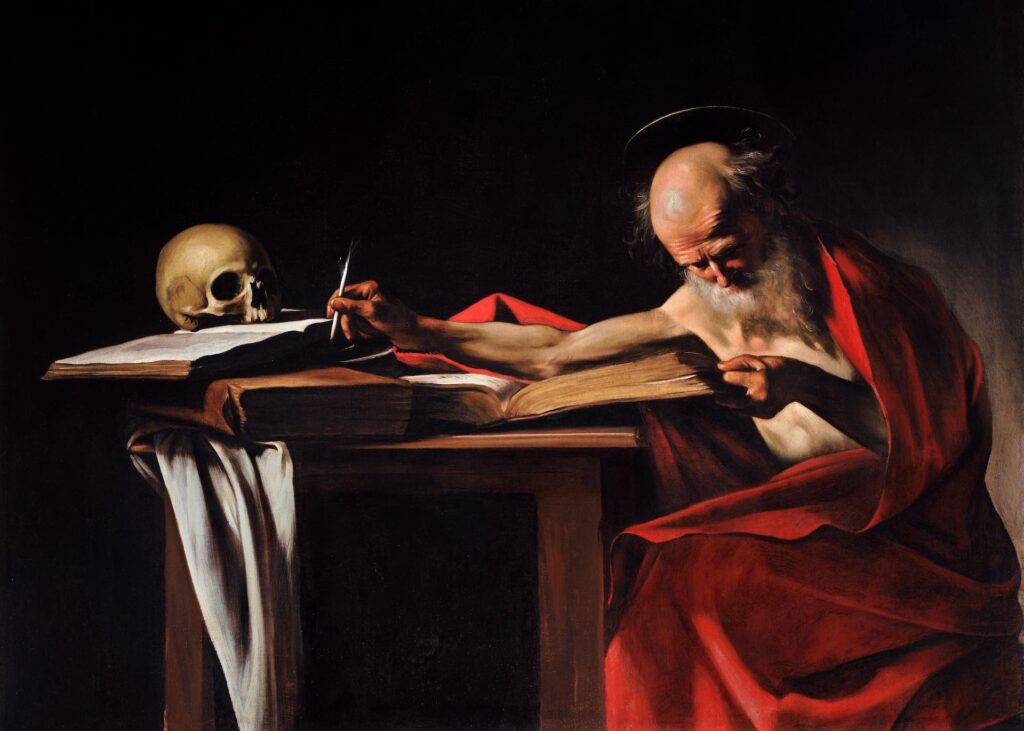
Caravaggio wrote very little, but what we know of his views—his refusal to paint from imaginary models, his obsession with the real human body—sheds more light on his painting than any commentary ever could. Van Gogh left behind more than 800 letters in which he explains, almost painting by painting, what he was seeking. Delacroix kept a journal that remains one of the greatest texts on the creative process. Louise Bourgeois wrote, drew, and spoke tirelessly to ensure that her work would not be misunderstood.
All these words exist. Few people read them.
Hors Cadre aims to give artists a voice once again: to unearth their letters, notebooks, interviews, and manifestos—and to juxtapose them with their works. Not to turn these pieces into anthologies of quotes, but to restore something that institutions often erase: the voices, doubts, anger, and intentions of those who created.
Who writes for “Hors Cadre”?
The website is aimed at three audiences that overlap more often than one might think:
- Visitors—whether tourists or Parisians—who want more than a generic tour and are looking for an experience that leaves a lasting impression
- Art enthusiasts seeking well-researched analyses, free from academic jargon or oversimplification
- Discerning enthusiasts who are tired of hastily curated selections and promotional items in disguise
Paris is the natural hub—it’s the city where people write, visit, and experiment. But the artistic gaze knows no boundaries: the works and artists featured in *Hors Cadre* are part of the entire history of art.
Three ways in
Exhibitions
A selection of current exhibitions—primarily in Paris, where most of the French-language offerings are concentrated, though not exclusively. What’s truly worth the trip, what you can skip, and, most importantly, why. Each article provides practical information (dates, prices, directions) and goes a step further: context, key themes, must-see pieces, and the artist’s own words, when available.
Artists
In-depth portraits of the figures who have shaped art history—those we think we know but who still hold surprises, and those we have forgotten but who deserve a second look. Biographies, key works, influences, and their legacy. And, whenever possible, their own words: excerpts from letters, diary entries, and public statements that reveal what the exhibition labels never say.
Masterpieces
The beating heart of the site. Detailed analyses of works that have left their mark on their era or stood the test of time: technique, symbolism, historical context, conservation. I stick to one rule: always provide insights that you won’t find in audio guides.
Who am I?
Hello, my name is Maxime.
I am neither a curator nor an academic. I am what is called, for lack of a better term, a self-taught enthusiast: years of reading, visits, and notebooks filled with notes in museum galleries, in Paris and elsewhere. This approach has its limitations—I would never claim to have the authority of a specialist—but it also has its merits: an independent perspective, free from institutional agendas and without any obligation to please a sponsor or a scientific committee.
What I can promise:
- Verified information. Each article is based on identifiable sources: exhibition catalogs, monographs, published correspondence, museum databases, and accessible scholarly works.
- A personal opinion, expressed with confidence. When an exhibition disappoints me or a work of art strikes me as overrated, I say so—and I back it up with reasons.
- No hidden partnerships. Hors Cadre currently receives no compensation from the institutions it covers. If that were to change, it would be clearly stated.
How Hors Cadre works
Editorial transparency is a founding principle of the site. The selection of topics, the prioritization of sources, the handling of artist quotes, and editorial guidelines: all of this is detailed on the Editorial Methodology page.
In short: I don’t cover the news; I curate it. I don’t post about an exhibition until I’ve seen it myself. I prioritize primary sources—the artists’ own writings—whenever they’re available. And I correct any errors that are brought to my attention, noting them in the relevant article.
Further Reading
Hors Cadre publishes two to three articles per week. To make sure you don’t miss anything, the easiest way is to check the three sections above regularly, or to write to me via the Contact page — for any suggestions, corrections, or to let me know about a forgotten artist’s statement that deserves to be brought back into the spotlight.
Thanks for stopping by. Enjoy reading—and have a great time exploring.
— M

